Las Ánimas Del Cuarto Obscuro: S/T 12"
Like an apparition, LAS ÁNIMAS DEL CUARTO OBSCURO emerged in the Mexican underground scene of the late 80’s and vanished quickly after leaving a couple of coveted artefacts. Before them there were just a few Mexican bands experimenting with those brand-new rhythms. The ill-fated attempts to play this style of music, rooted in the simplicity of punk mixed with melancholy and sombre chords that we nowadays call post-punk. While bands like SIZE or SILUETA PALIDA flirted with darker music and aesthetics, the path of LAS ÁNIMAS DEL CUARTO OBSCURO was different.
LAS ÁNIMAS DEL CUARTO OBSCURO and Toño Sánchez, the brains behind these spectral sounds, had a deep commitment to doom and gloom, at least in their first recording. Songs about the decay you could breathe in the air of Mexico City: Police brutality, urban ghost stories, suicidal notes, and the loneliness and sadness a sensible person suffers in an environment that keeps driving you to desensitization and madness. A true Chilango gothic masterpiece, LAS ÁNIMAS DEL CUARTO OBSCURO’s first record is an ode to Mexican youthfulness. It’s the emotional journey of a youngster who fights for their existence in a country where tradition rules and difference is loathed.
Originally self-released by the band in 1988 and officially reissued for the first time since its original inception.
Our take: La Vida Es Un Mus brings us a reissue of this obscure but brilliant post-punk LP from Mexico, originally released in 1988 on the band’s own Aruba Discos. Sadly, I’m not the person to give the full historical rundown on Las Ánimas Del Cuarto Obscuro—whose name translates to something like “souls of the dark room”—but there seems to be a good amount of information out there for Spanish-speakers. This album was totally new to me, though, and I’ve not been able to stop listening to it since I got it. While the songs are great, the album has an atmosphere that isn’t quite like anything I’ve heard before. Don’t let the 1988 release date fool you… this album sounds a lot more early 80s than late 80s, with the group dipping their toes into various post-punk styles over the course of the record. Songs like “Azul Pastel” and “Sirena” will appeal instantly to anyone who loves the driving, guitar-based post-punk of bands like Killing Joke and Siekiera, while “Samarkanda” and “La Mosca” feel quirkier and more home-spun, recalling the attitude evident in the early Rough Trade Records catalog, where punk’s limited technical sophistication and can-do attitude met a wider sphere of musical influences. And then there’s the standout track “Pueblo Fantasma,” which differs from anything else on the record, its chiming, arpeggiated guitar line and driving post-punk rhythm bearing an uncanny resemblance to early REM. Across all the stylistic experimentation, vocalist Toño Sánchez weaves a tapestry of compelling rhythms and melodies, his performance overflowing with charisma. While anyone who loves under-the-radar international post-punk like Paralisis Permanente and Siekiera will take an instant liking to Las Ánimas Del Cuarto Obscuro, the overall vibe here is so unique that, once you develop a taste for it, no other record in your collection will scratch the same itch.
Product Information
Product Information
Shipping & Returns
Shipping & Returns
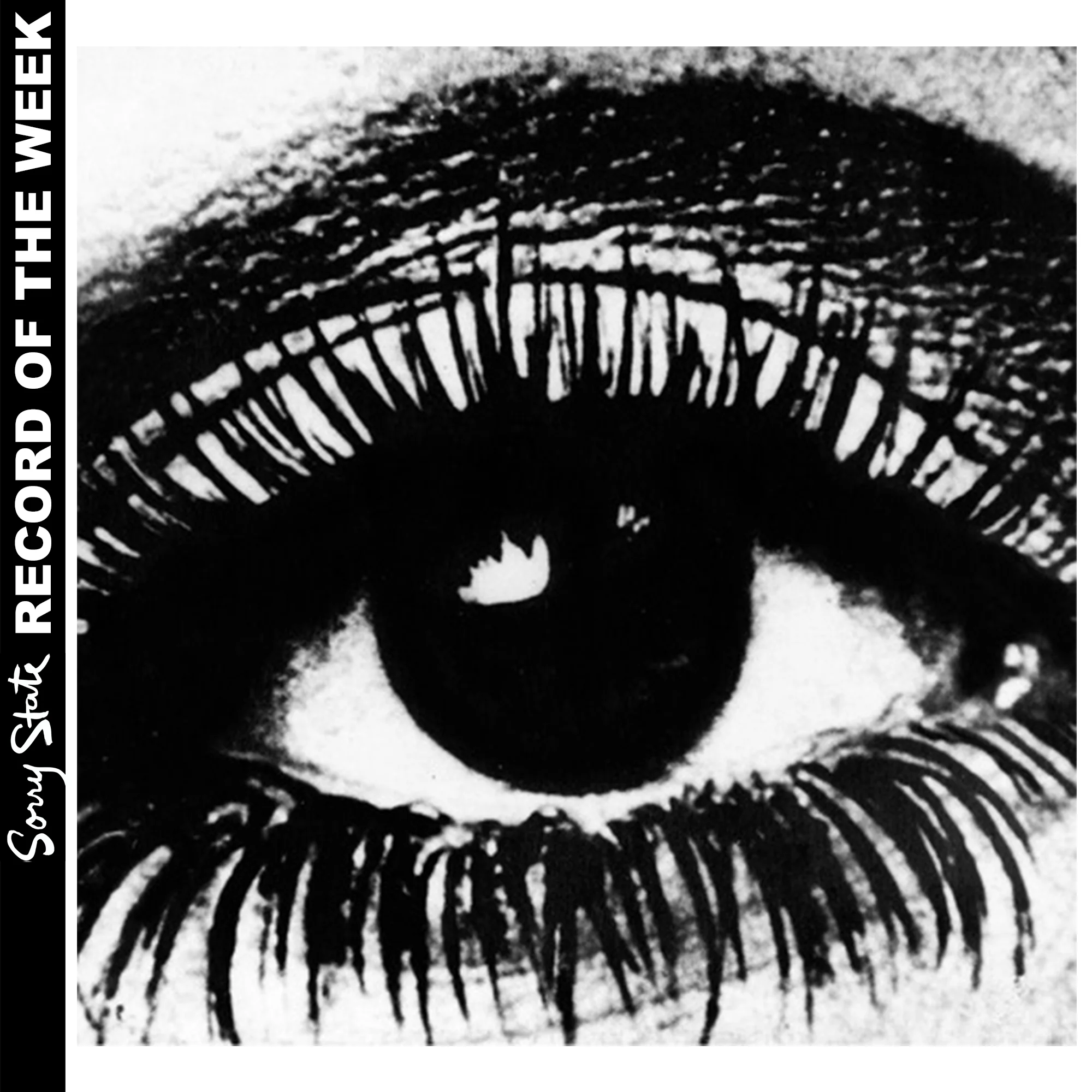
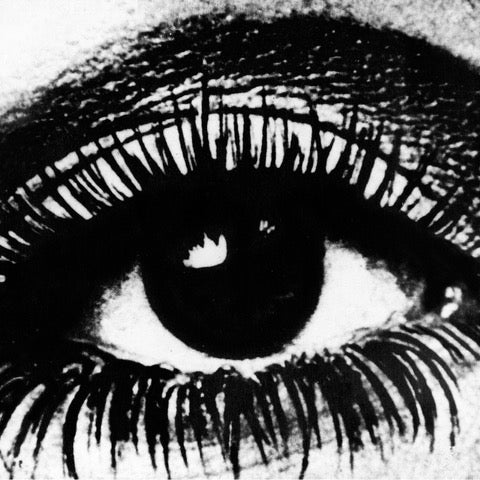

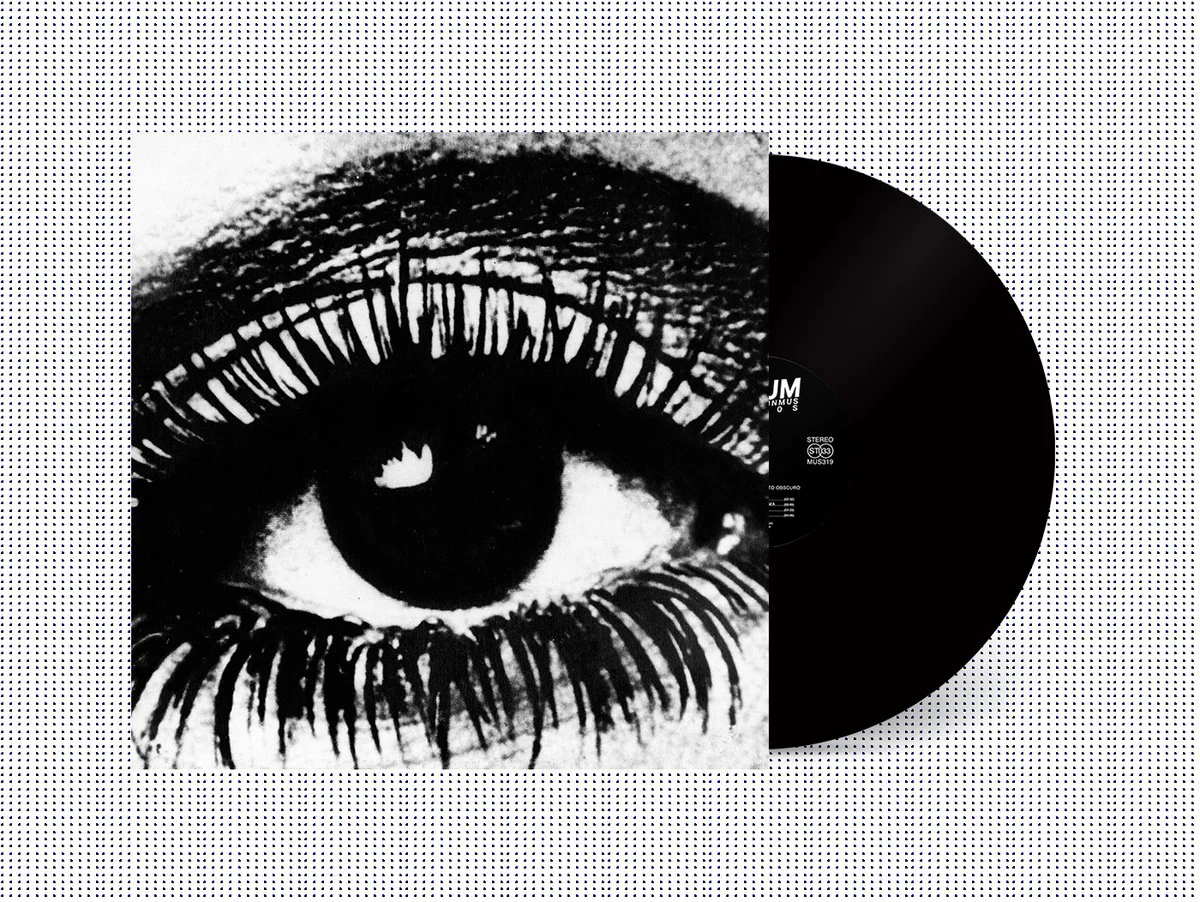
Las Ánimas Del Cuarto Obscuro: S/T 12"
Las Ánimas Del Cuarto Obscuro: S/T 12"
Like an apparition, LAS ÁNIMAS DEL CUARTO OBSCURO emerged in the Mexican underground scene of the late 80’s and vanished quickly after leaving a couple of coveted artefacts. Before them there were just a few Mexican bands experimenting with those brand-new rhythms. The ill-fated attempts to play this style of music, rooted in the simplicity of punk mixed with melancholy and sombre chords that we nowadays call post-punk. While bands like SIZE or SILUETA PALIDA flirted with darker music and aesthetics, the path of LAS ÁNIMAS DEL CUARTO OBSCURO was different.
LAS ÁNIMAS DEL CUARTO OBSCURO and Toño Sánchez, the brains behind these spectral sounds, had a deep commitment to doom and gloom, at least in their first recording. Songs about the decay you could breathe in the air of Mexico City: Police brutality, urban ghost stories, suicidal notes, and the loneliness and sadness a sensible person suffers in an environment that keeps driving you to desensitization and madness. A true Chilango gothic masterpiece, LAS ÁNIMAS DEL CUARTO OBSCURO’s first record is an ode to Mexican youthfulness. It’s the emotional journey of a youngster who fights for their existence in a country where tradition rules and difference is loathed.
Originally self-released by the band in 1988 and officially reissued for the first time since its original inception.
Our take: La Vida Es Un Mus brings us a reissue of this obscure but brilliant post-punk LP from Mexico, originally released in 1988 on the band’s own Aruba Discos. Sadly, I’m not the person to give the full historical rundown on Las Ánimas Del Cuarto Obscuro—whose name translates to something like “souls of the dark room”—but there seems to be a good amount of information out there for Spanish-speakers. This album was totally new to me, though, and I’ve not been able to stop listening to it since I got it. While the songs are great, the album has an atmosphere that isn’t quite like anything I’ve heard before. Don’t let the 1988 release date fool you… this album sounds a lot more early 80s than late 80s, with the group dipping their toes into various post-punk styles over the course of the record. Songs like “Azul Pastel” and “Sirena” will appeal instantly to anyone who loves the driving, guitar-based post-punk of bands like Killing Joke and Siekiera, while “Samarkanda” and “La Mosca” feel quirkier and more home-spun, recalling the attitude evident in the early Rough Trade Records catalog, where punk’s limited technical sophistication and can-do attitude met a wider sphere of musical influences. And then there’s the standout track “Pueblo Fantasma,” which differs from anything else on the record, its chiming, arpeggiated guitar line and driving post-punk rhythm bearing an uncanny resemblance to early REM. Across all the stylistic experimentation, vocalist Toño Sánchez weaves a tapestry of compelling rhythms and melodies, his performance overflowing with charisma. While anyone who loves under-the-radar international post-punk like Paralisis Permanente and Siekiera will take an instant liking to Las Ánimas Del Cuarto Obscuro, the overall vibe here is so unique that, once you develop a taste for it, no other record in your collection will scratch the same itch.
Original: $33.00
-70%$33.00
$9.90Product Information
Product Information
Shipping & Returns
Shipping & Returns
Description
Like an apparition, LAS ÁNIMAS DEL CUARTO OBSCURO emerged in the Mexican underground scene of the late 80’s and vanished quickly after leaving a couple of coveted artefacts. Before them there were just a few Mexican bands experimenting with those brand-new rhythms. The ill-fated attempts to play this style of music, rooted in the simplicity of punk mixed with melancholy and sombre chords that we nowadays call post-punk. While bands like SIZE or SILUETA PALIDA flirted with darker music and aesthetics, the path of LAS ÁNIMAS DEL CUARTO OBSCURO was different.
LAS ÁNIMAS DEL CUARTO OBSCURO and Toño Sánchez, the brains behind these spectral sounds, had a deep commitment to doom and gloom, at least in their first recording. Songs about the decay you could breathe in the air of Mexico City: Police brutality, urban ghost stories, suicidal notes, and the loneliness and sadness a sensible person suffers in an environment that keeps driving you to desensitization and madness. A true Chilango gothic masterpiece, LAS ÁNIMAS DEL CUARTO OBSCURO’s first record is an ode to Mexican youthfulness. It’s the emotional journey of a youngster who fights for their existence in a country where tradition rules and difference is loathed.
Originally self-released by the band in 1988 and officially reissued for the first time since its original inception.
Our take: La Vida Es Un Mus brings us a reissue of this obscure but brilliant post-punk LP from Mexico, originally released in 1988 on the band’s own Aruba Discos. Sadly, I’m not the person to give the full historical rundown on Las Ánimas Del Cuarto Obscuro—whose name translates to something like “souls of the dark room”—but there seems to be a good amount of information out there for Spanish-speakers. This album was totally new to me, though, and I’ve not been able to stop listening to it since I got it. While the songs are great, the album has an atmosphere that isn’t quite like anything I’ve heard before. Don’t let the 1988 release date fool you… this album sounds a lot more early 80s than late 80s, with the group dipping their toes into various post-punk styles over the course of the record. Songs like “Azul Pastel” and “Sirena” will appeal instantly to anyone who loves the driving, guitar-based post-punk of bands like Killing Joke and Siekiera, while “Samarkanda” and “La Mosca” feel quirkier and more home-spun, recalling the attitude evident in the early Rough Trade Records catalog, where punk’s limited technical sophistication and can-do attitude met a wider sphere of musical influences. And then there’s the standout track “Pueblo Fantasma,” which differs from anything else on the record, its chiming, arpeggiated guitar line and driving post-punk rhythm bearing an uncanny resemblance to early REM. Across all the stylistic experimentation, vocalist Toño Sánchez weaves a tapestry of compelling rhythms and melodies, his performance overflowing with charisma. While anyone who loves under-the-radar international post-punk like Paralisis Permanente and Siekiera will take an instant liking to Las Ánimas Del Cuarto Obscuro, the overall vibe here is so unique that, once you develop a taste for it, no other record in your collection will scratch the same itch.